

To maintain the shape of a foam lounge chair, protect the integrated foam structure from unnecessary concentrated loads and follow the correct upholstery-care instructions. Our one-piece seating gets its contour and support from its integrated foam structure. Our lounge chairs use integrated one-piece foam, so generic advice about flipping or rotating separate sofa cushions may not apply. Consistent, careful habits can protect the seating experience and preserve the fabric’s appearance.
Allow proper expansion at the beginning
Our chairs generally take approximately 24–48 hours to expand and settle. Open packaging carefully and leave the chair in a clear space. Do not stack boxes on it during settling. Avoid hairdryers, steam or pulling the chair into shape unless the specific product instructions authorise such treatments.
Use the chair as intended
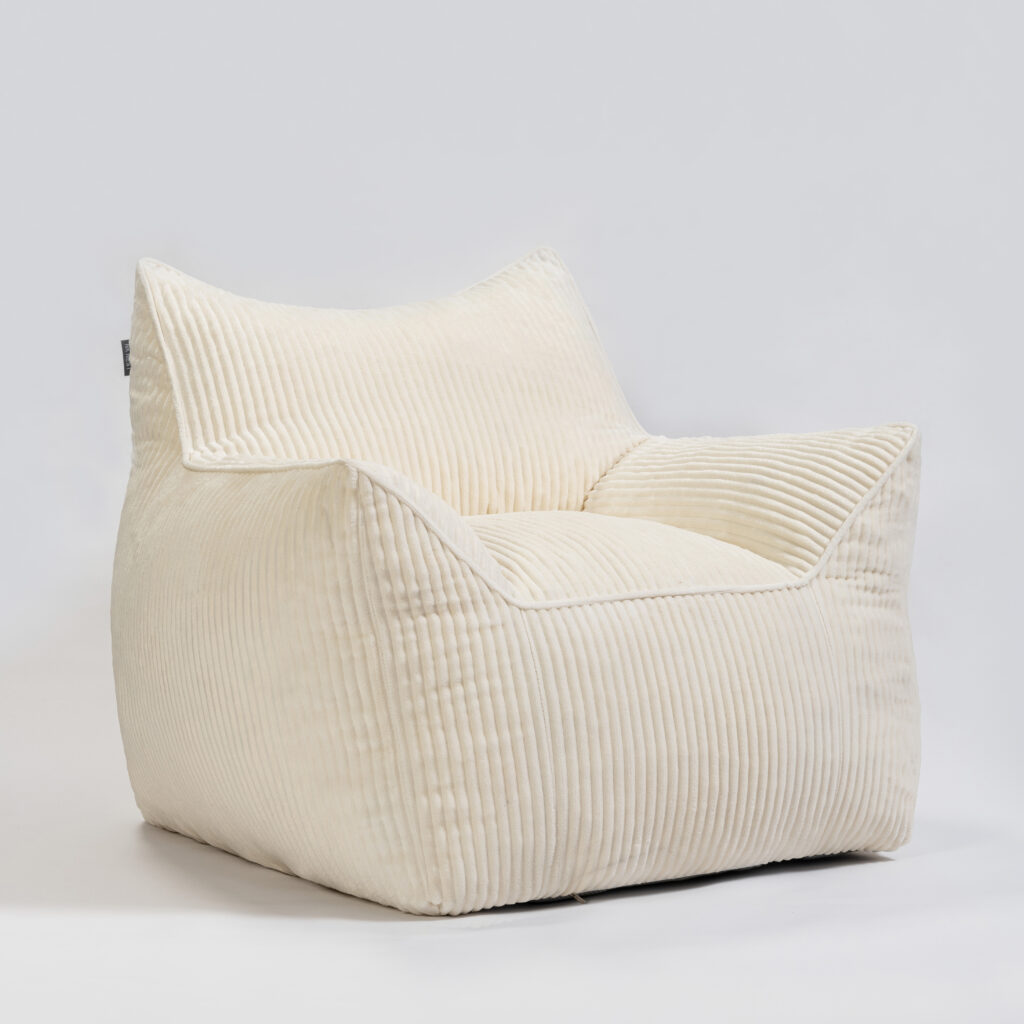
Do not stand on the arms or use the seating as a step. Avoid storing heavy items on one small area for long periods. Sitting within the designed seat and changing posture naturally may prevent unnecessary concentrated pressure. An integrated foam chair should be handled as a complete seating form unless the product documentation says otherwise.
Care after moving to a different home
Compressed packaging is designed for initial delivery; it does not mean an expanded chair can automatically be recompressed at home. Do not attempt to vacuum-pack or fold the furniture without specific manufacturer instructions. When moving, protect the upholstery, avoid dragging the chair across rough flooring and make sure doorways and lifts accommodate its expanded dimensions. A room change is also an opportunity to inspect the seating contour and clean accessible areas gently. Good handling reduces the chance of damage that could be mistaken for ordinary wear.
Keeping the chair comfortable in a busy home
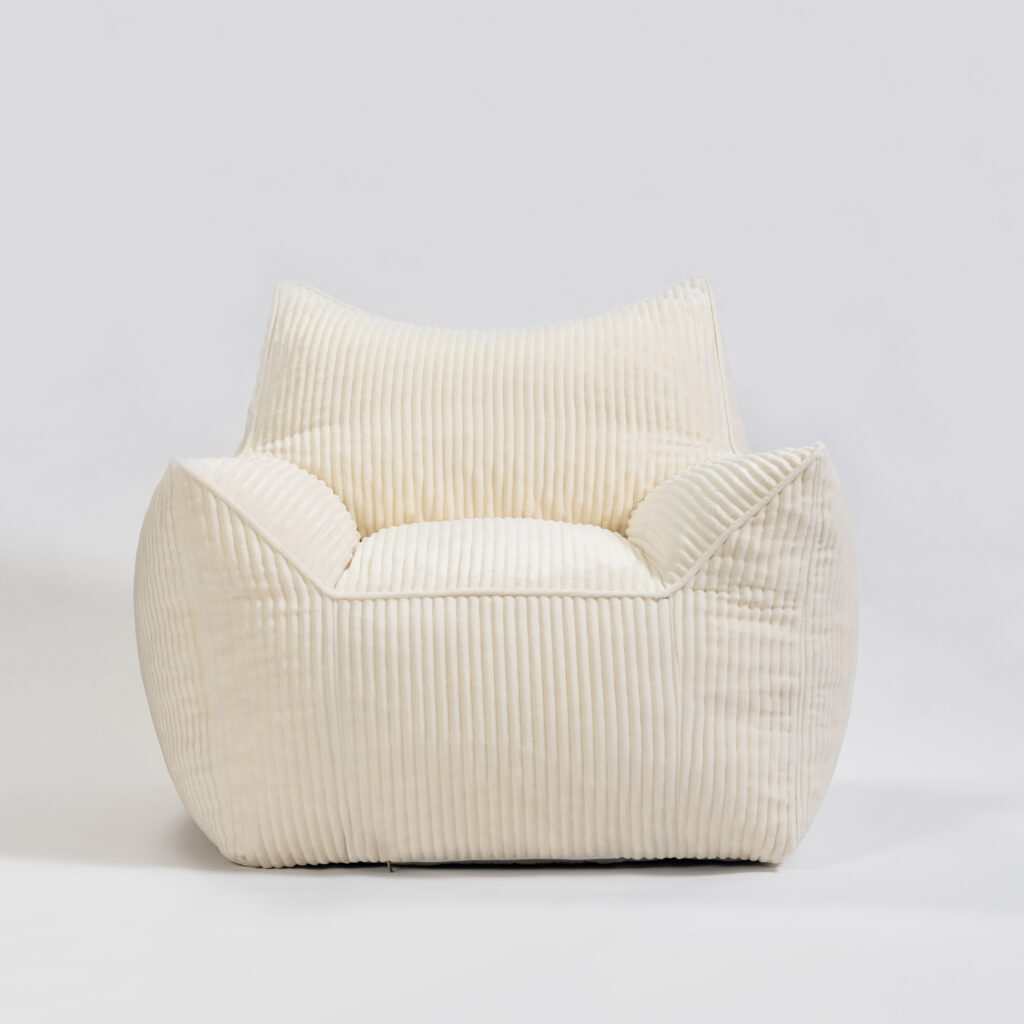
A lounge chair in a family living room may encounter bags, toys, pets and frequent movement. Make its intended use clear: it is a seating place, not a shelf for heavy storage or a step to reach high objects. If a chair is moved to another corner, carry or handle it in the manner advised by its manufacturer rather than dragging the upholstered surface across rough flooring. Check whether a new position puts it against a heater, a damp wall or a door that repeatedly knocks the fabric. Gentle handling and thoughtful placement can prevent damage unrelated to foam quality. If you notice persistent deformation, gather photographs and order information while the situation is easy to describe. This gives customer support a clearer picture and avoids risky attempts to force the chair back into shape.
Clean the upholstery gently
Corduroy, teddy fleece and short plush have different surface textures and may require different care methods. Follow the product’s cleaning guidance and use gentle dust removal when permitted. The Dry Cleaning and Laundry Institute explains upholstery cleanability codes in its upholstery cleaning guidance. Do not assume a fitted cover should be removed or machine washed.
A simple weekly and monthly routine
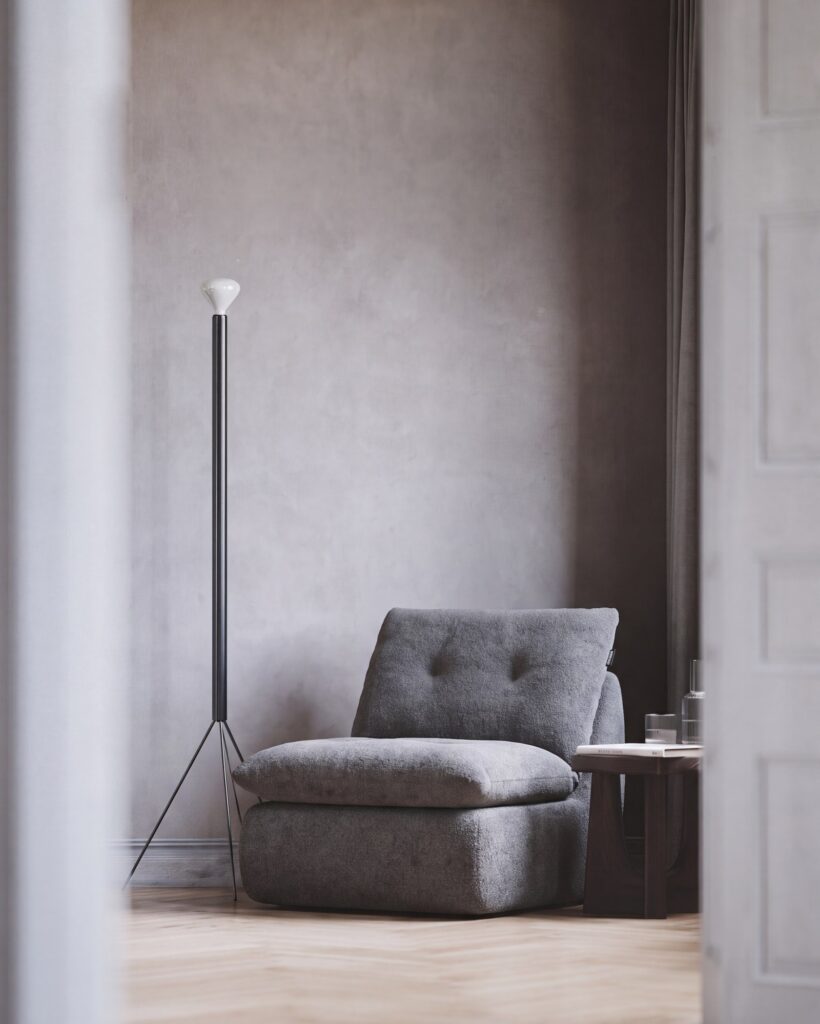
Once a week, remove loose debris using the cleaning method approved for the upholstery, check that the chair is free from heavy objects and look for anything rubbing against the fabric. Each month, review whether the chair’s placement still allows easy movement and whether a nearby source of heat or moisture needs attention. There is no need to perform elaborate reshaping exercises. The goal is to prevent avoidable stress while keeping the furniture comfortable and visually appealing. The specific care label takes precedence over any generic routine.
Recognise when to seek assistance
Some fabric relaxation is different from permanent foam deformation. The Polyurethane Foam Association’s foam performance guidance discusses compression set and fatigue. If the seat develops persistent unevenness or significantly altered support, photograph the issue and ask our team if you’re considering an NKNEST chair for advice before trying to fix it yourself.
Making care part of everyday comfort
We design our one-piece foam lounge chairs for relaxed living, and we recommend caring for the full seating form rather than treating it as a collection of loose cushions. Start with the advised expansion time, keep heavy storage off the chair and use only the approved fabric-cleaning method. A reading corner with clear walking space and a little distance from potential spills can also make everyday care easier. We want maintenance to feel manageable, not like a complicated furniture project.
Explore our compressed lounge chairs
At NKNEST, we believe beautiful furniture should feel as comfortable as it looks. Explore our compressed lounge chairs and discover a comfortable statement piece for your home. For a closer look at one of our neutral statement pieces, see our Cloud Lounge Chair in Cream White Corduroy. Compare the full dimensions, upholstery and care information before choosing the chair that suits your space.
Related NKNEST guides: Are Compressed Sofas Comfortable and Supportive? · How Long Does a Compressed Sofa Take to Expand?
Explore the NKNEST lounge chair range and our Assembly & Care guide.
Final thoughts
Think beyond a single product label. Comfort, performance and easy care are shaped by the complete furniture design, the way you use it and the care instructions you follow. Use reliable manufacturer information and material guidance when making a decision. For an inviting space, choose seating that fits your body and your room while meeting your expectations about everyday use.
